What is Xenon Testing?
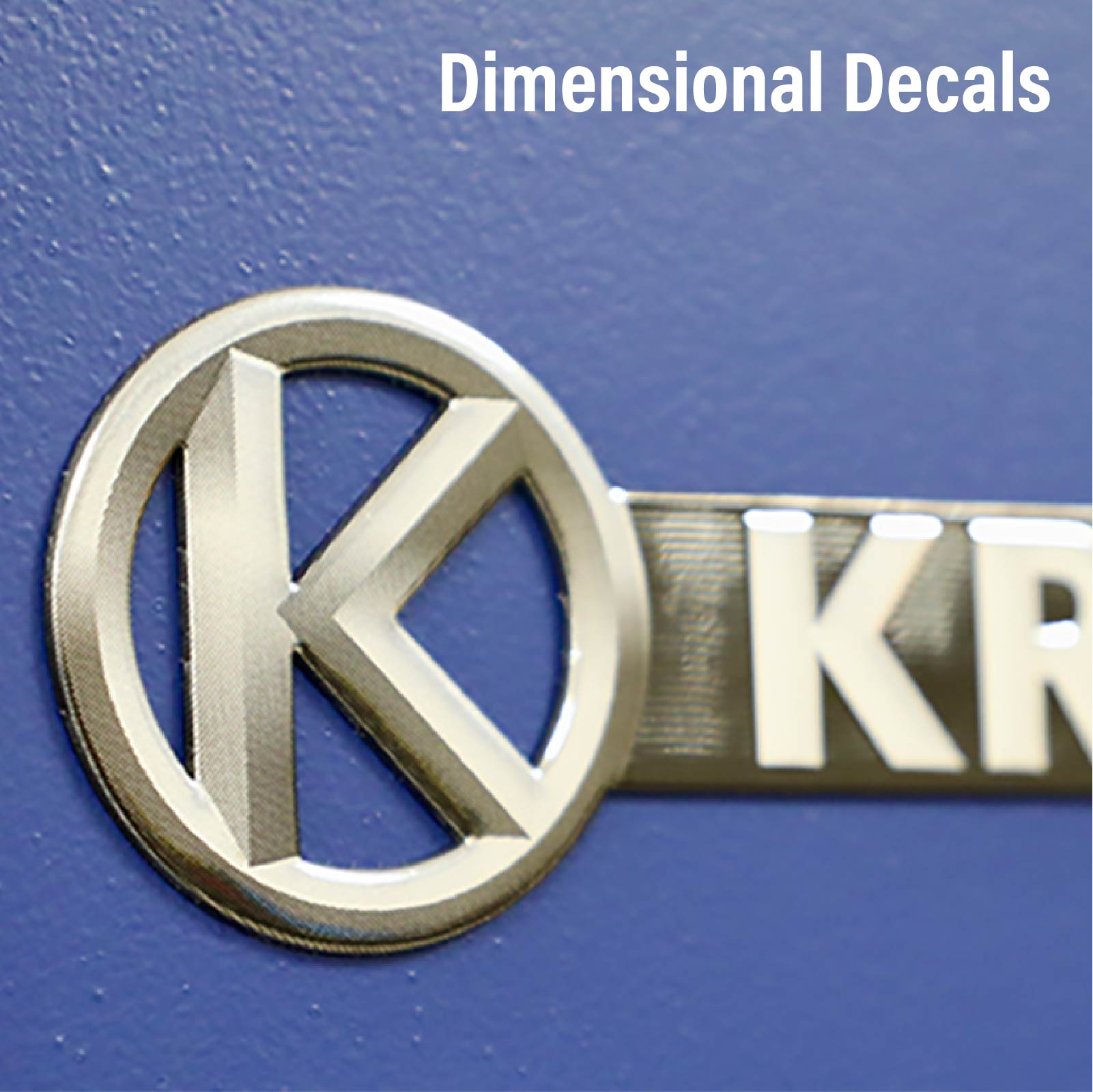
Preventing field failure is Romo’s quality mission.
When we gather specifics at the project inception, our research & development team tests and plans to ensure we ship quality parts from start to finish.
Romo’s R&D lab is given new projects with unique testing specifications every week. Included in every request is years-long durability. But how can we test longevity in a short period of time?
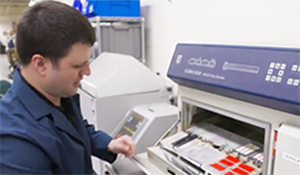
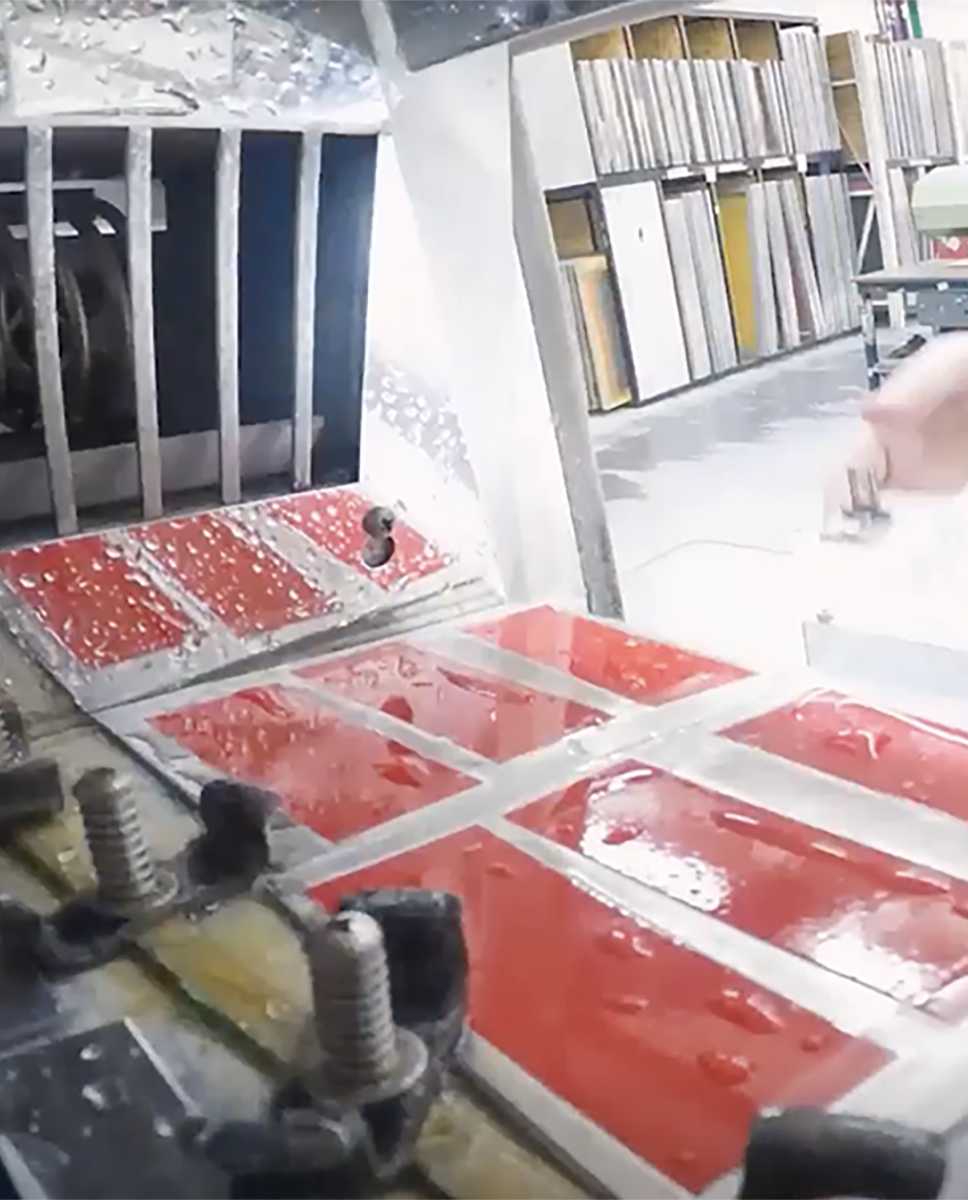
Sourcing quality material and using automotive-grade inks is the basis of durable graphics. And to test for failure, we use a Xenon Chamber that replicates environmental conditions in an accelerated timeframe (several times faster than real-world exposure).
Sort of like time travel, Xenon testing is a laboratory method that evaluates how ink, coating, laminates and adhesive withstands sunlight, weather, and environmental conditions over time. The chamber replicates UV and moisture in an accelerated format. Testing is performed under controlled, standardized conditions (such as ASTM methods) to ensure consistent and repeatable results.
The main benefits of xenon testing are:
-
Simulate years of outdoor exposure to determine degradation over a few months.
-
Xenon lamps simulate sunlight (UV, visible light, and infrared).
-
Temperature, humidity, and “rain” are added throughout the chamber time.
The R&D Lab uses these conditions to observes issues like:
-
fading
-
cracking discoloration/yellowing
-
loss of strength adhesion
-
loss delamination
The value of these insights helps improve the design and durability of products before they reach market. Xenon testing enables us to confidently predict how materials will behave in real sunlight and weather, allowing faster development, better durability to lower costs.
Faster testing means less time spent on long outdoor trials, identifies problems early, and helps avoid expensive field failures.