How Does Xenon Testing Work?
Xenon Chamber testing is a tool that evaluates how ink, coating, laminates and adhesive withstands sunlight, weather, and environmental conditions over time. It’s the best indicator of durability over a long period of time – accelerated.
The chamber replicates heat, UV and moisture in a rapid format. Here’s how it works!
-
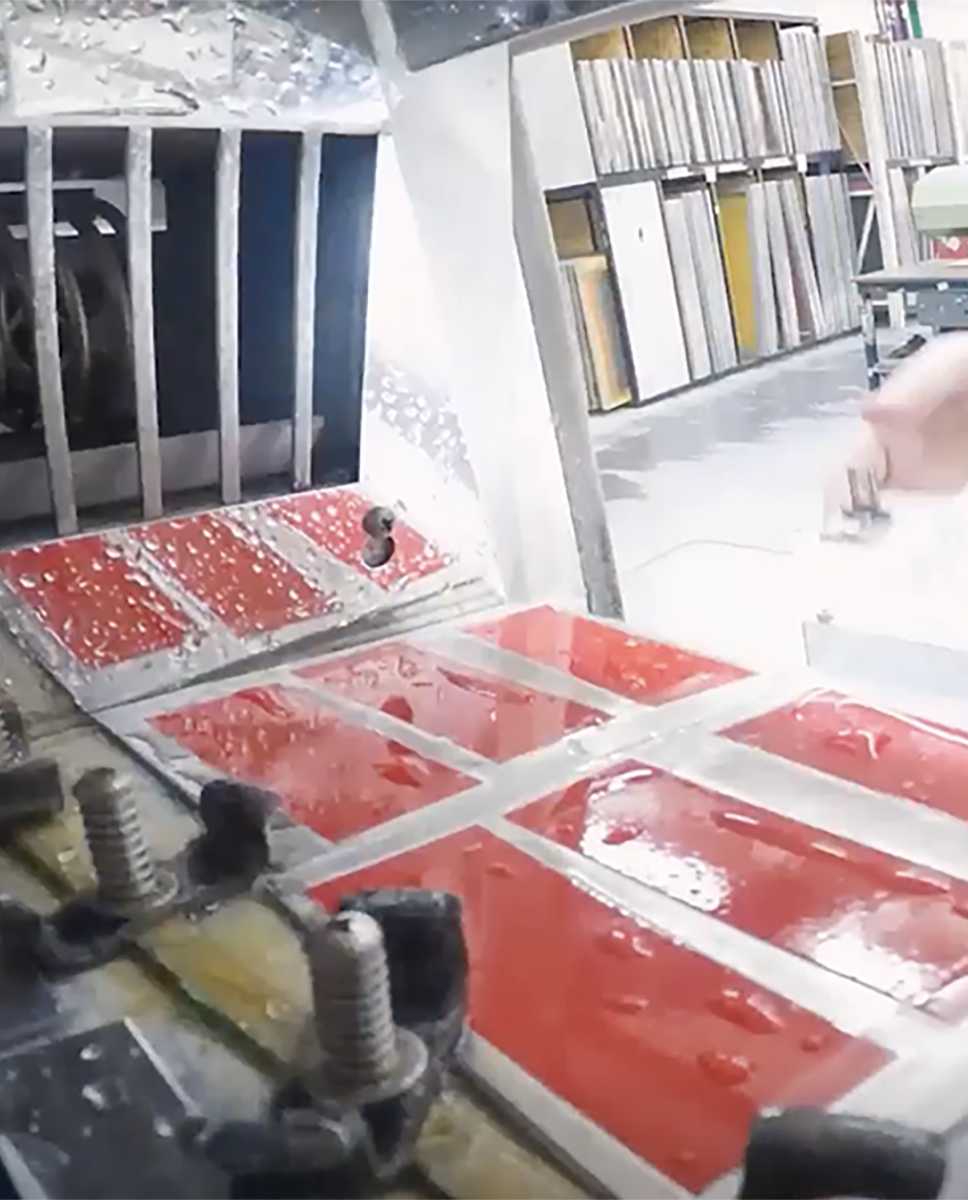
A printed decal is applied to the exact surface material in the testing standards. For example, a vinyl-printed logo is applied to a boat engine cowl and 3”x3” piece of the cowl is cut down for testing.
-
The sample piece is placed in the Xenon chamber on a rotating rack that’ll provide even exposure to light and environmental conditions.
-
Inside the chamber, a Xenon arc lamp emits its version of natural sunlight with UV, visible and infrared radiation matching natural outdoor conditions.
-
Outdoor conditions are added throughout the process. Temperature changes from hot to cold. Humidity and heat added with rain. Night and day simulation occurs throughout the rapid process providing a replication of time.
-
Exposure cycles run repeatedly for hundreds or thousands of hours to accelerate aging and expose material degradation. Allowing us to pinpoint how long it takes for failure to occur.
-
We monitor:
- Color fading
- Cracking and brittleness
- Surface degradation
- Lifting of decal from surface
Romo’s testing and pre-production preparedness is a big advantage of working with a company that wants a successful product in the field. Protecting our clients’ brand identity and their customers’ safety experience is important to us.